
Natacha Castaño se consagró campeona nacional de Cross
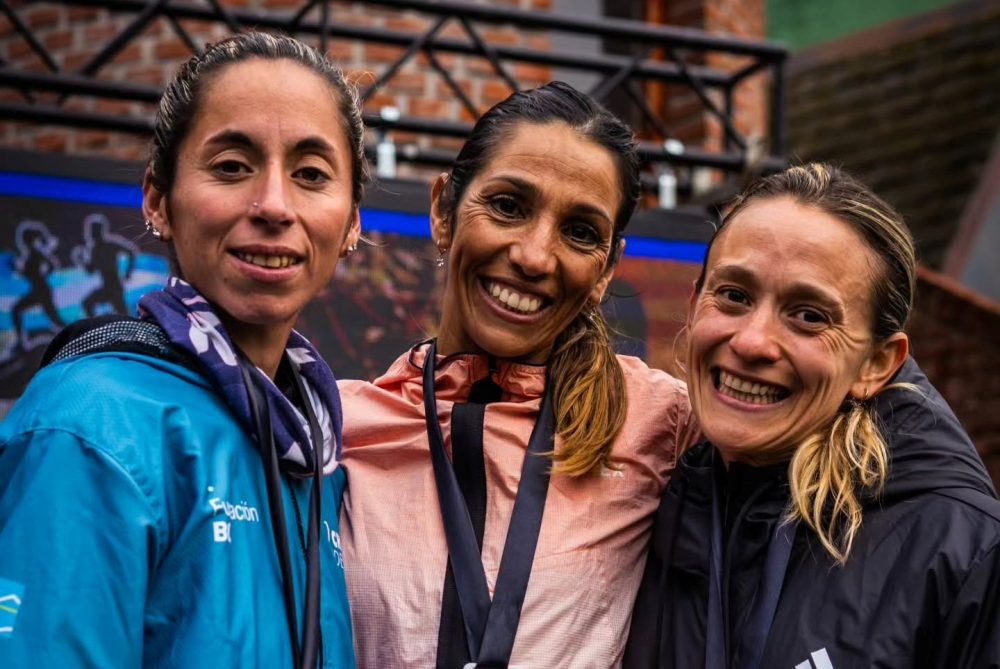
La marplatense se quedó con el título, en el Campeonato Nacional de Mayores de Cross Country que se disputó este sábado en Balcarce. Entre los caballeros, ganó Joaquín Arbe.
La marplatense se quedó con el título, en el Campeonato Nacional de Mayores de Cross Country que se disputó este sábado en Balcarce. Entre los caballeros, ganó Joaquín Arbe.

La marplatense, que viene de conquistar dos medallas de oro en el Campeonato Iberoamericano de Lima, habló en Marca Deportiva Radio sobre la polémica publicación del ENARD que omitió su nombre e imagen pese a haber sido una de las grandes figuras argentinas del certamen. También se refirió a las dificultades económicas que enfrenta para sostener su carrera rumbo a Los Ángeles 2028.
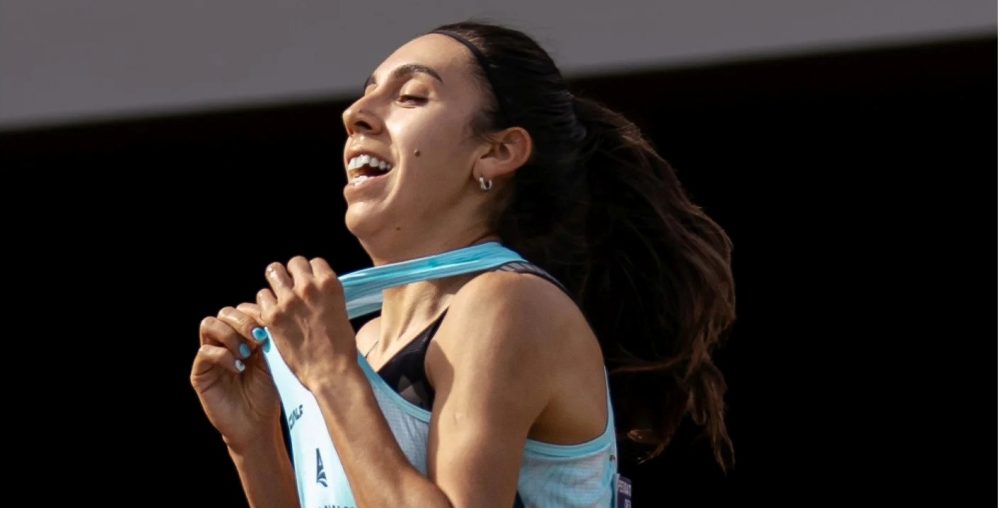
La marplatense fue una de las grandes figuras del Campeonato Iberoamericano de Lima 2026 con dos medallas doradas, pero quedó fuera de una publicación oficial del ENARD que destacó la actuación argentina. La situación reavivó la polémica tras sus recientes críticas por la negativa del organismo a otorgarle una beca acorde a sus logros deportivos.
La marplatense Micaela Levaggi ganó la segunda medalla de oro personal en el Campeonato Iberoamericano de Lima, Perú cerrando así una cosecha de 4 primeros lugares para el país. Además, Diego Lacamoire ganó la medalla de bronce en los 1.500 metros.
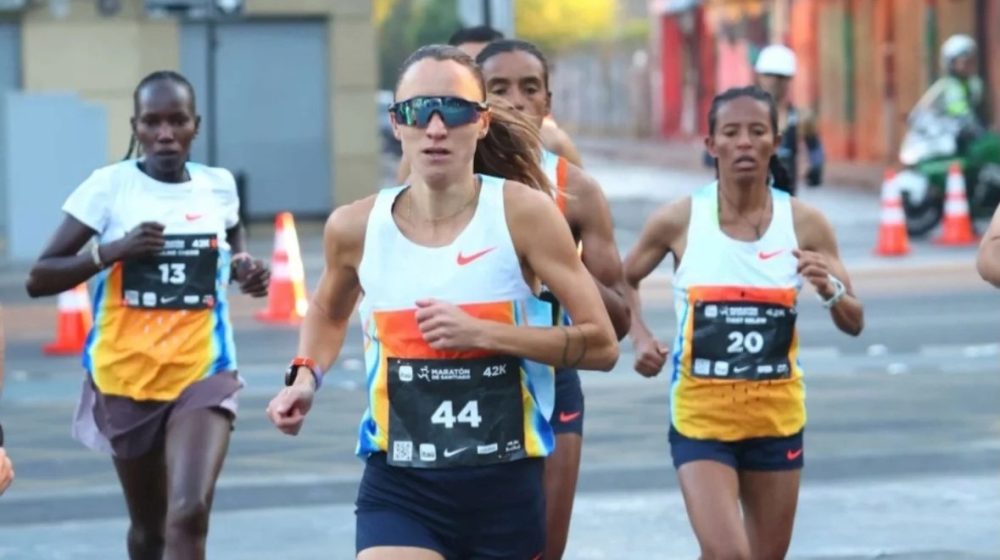
La atleta marplatense, récord sudamericana de maratón y representante olímpica argentina, finalizó quinta en la 41ª edición del Maratón Internacional de Porto Alegre con un tiempo de 2h35m39s. Apenas semanas después de competir en Santiago de Chile, volvió a demostrar su vigencia entre las mejores fondistas del continente.
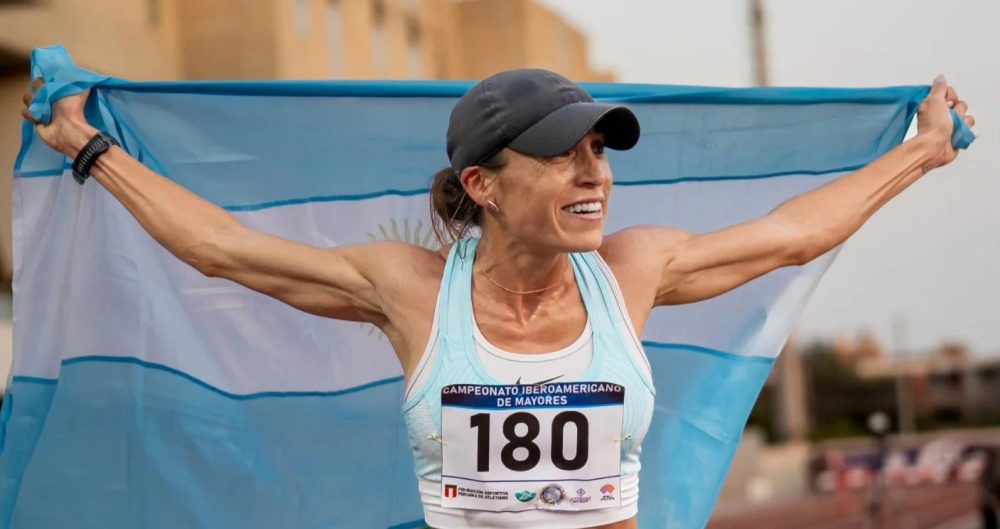
Las marplatenses Belén Casetta y Micaela Levaggi se quedaron con los 3.000 con obstáculos y los 1.500 metros; respectivamente en el Campeonato Iberoamericano que se desarrolla en Lima, Perú.
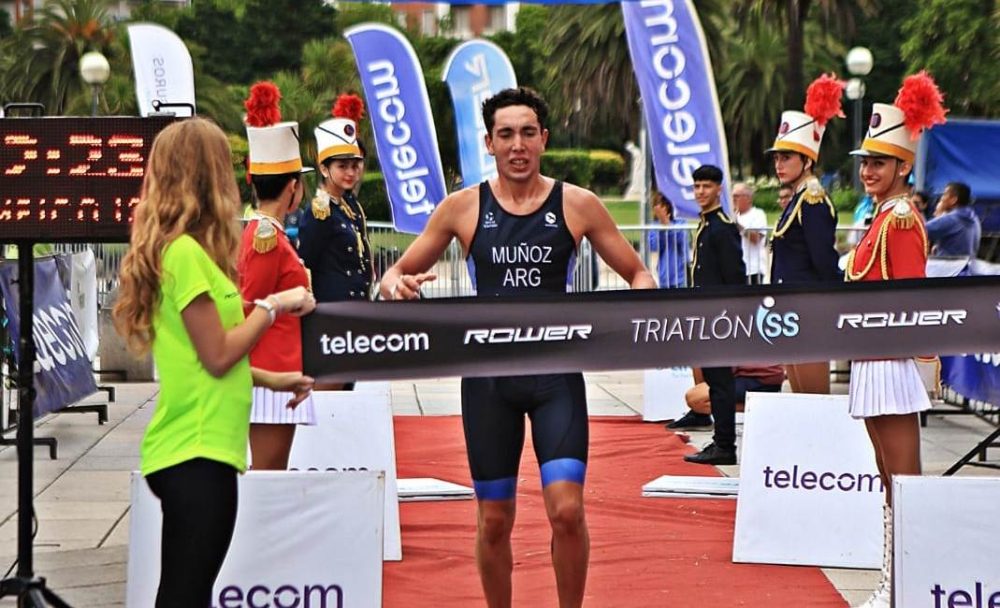
El triatleta marplatense integrará la Selección Argentina en la prueba individual de los XIII Juegos Suramericanos y atraviesa uno de los mejores momentos de su carrera deportiva.
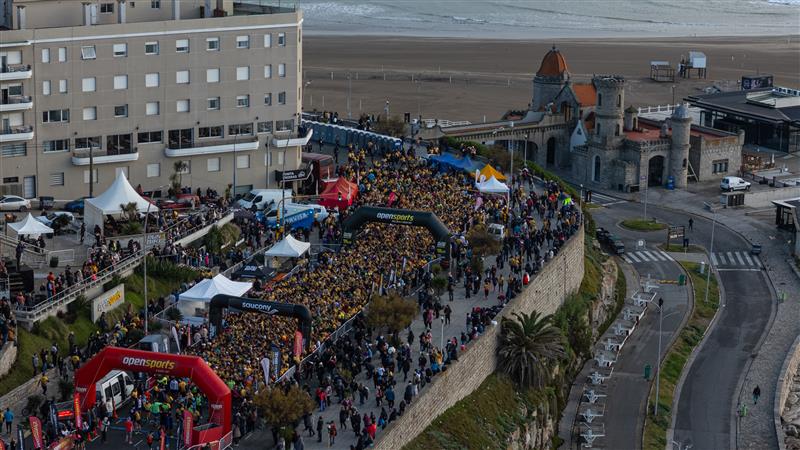
La tradicional competencia se desarrollará el domingo 28 de junio con recorridos de 5K, 10K y 15K. La inscripción ya se encuentra abierta y el evento tendrá como epicentro Run & Bike.
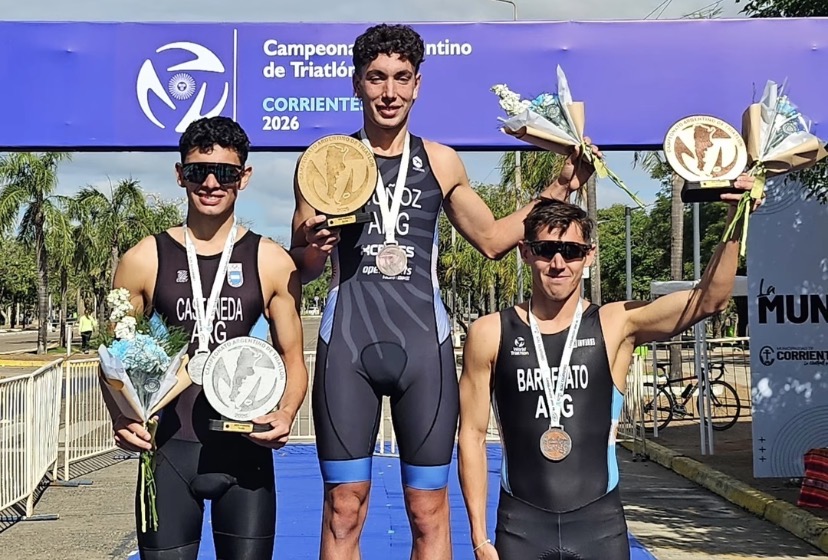
El marplatense Tiago Muñoz se consagró campeón argentino de Triatlón en Corrientes y además, Federica Carletto fue bronce en las categorías Elite de la competencia.
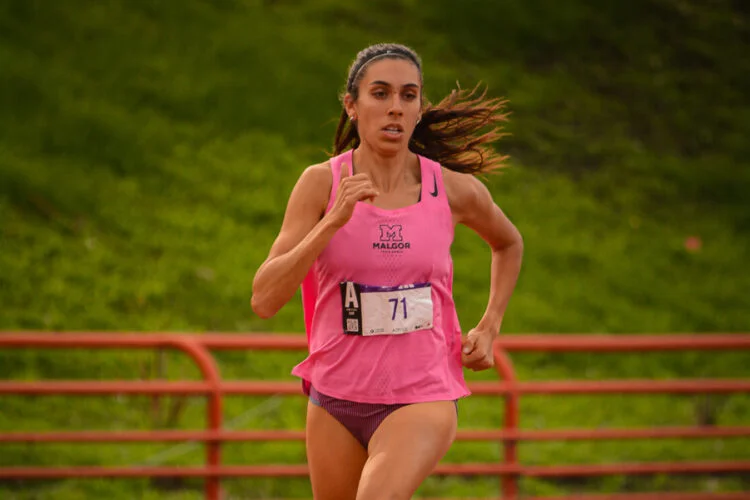
Varios atletas y entrenadores de Mar del Plata dirán presente en el Campeonato Iberoamericano de Atletismo Lima 2026, consolidando el gran momento del semillero local.
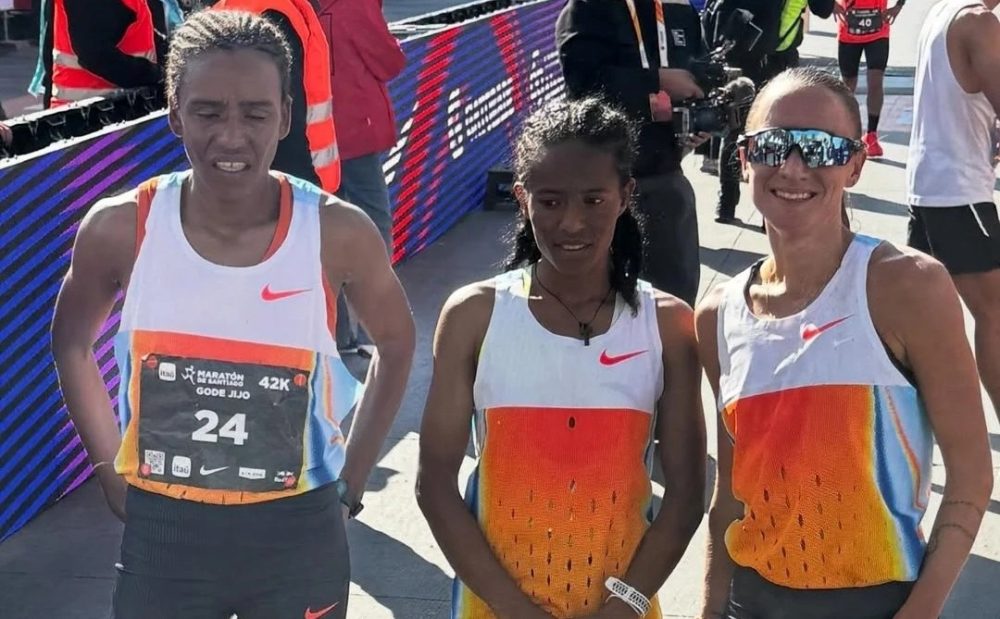
Las marplatenses tuvieron una destacada actuación en Chile: Florencia Borelli subió al podio en los 42K tras un gran regreso y Belén Casetta dominó la media maratón con autoridad.
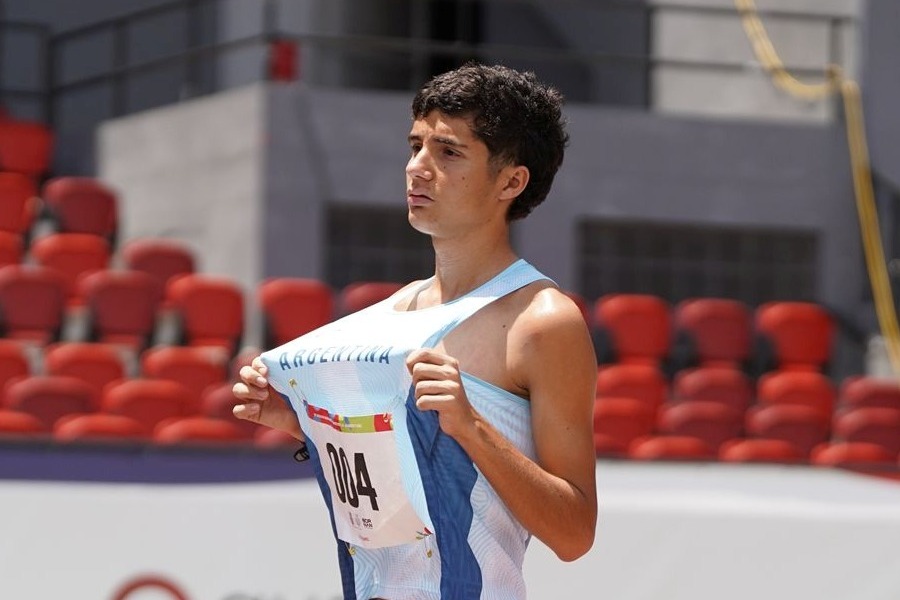
El atleta local completó la prueba de fondo en los Juegos Suramericanos de la Juventud Panamá 2026 con un tiempo de 9:16.81, en la última competencia con presencia de deportistas de Mar del Plata.
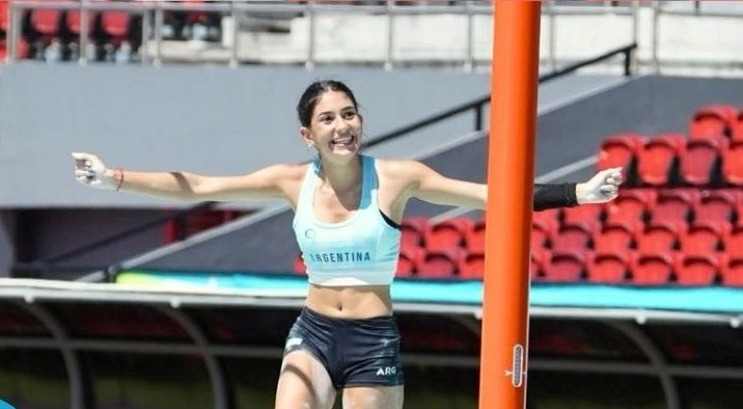
La atleta marplatense se subió al podio en los Juegos Sudamericanos de la Juventud tras una destacada actuación, alcanzando los 3.35 metros y quedando a solo 15 centímetros del oro.
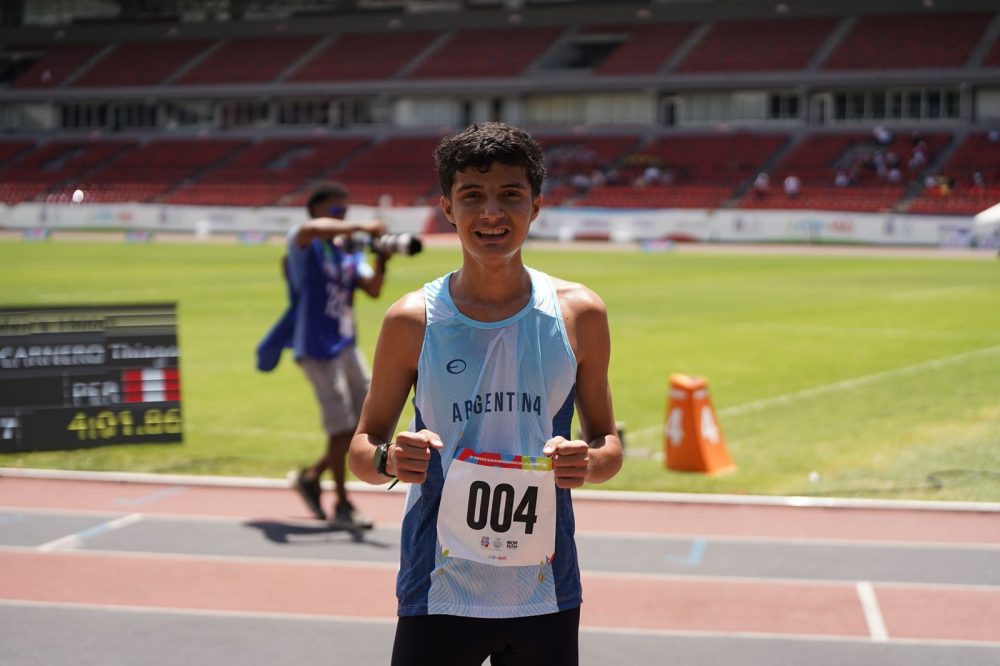
El atletismo cumplió con su primera jornada en los Juegos Suramericanos de la Juventud en Panamá donde el primero de los representantes locales que comenzó su participación fue Agustín Bandiera.
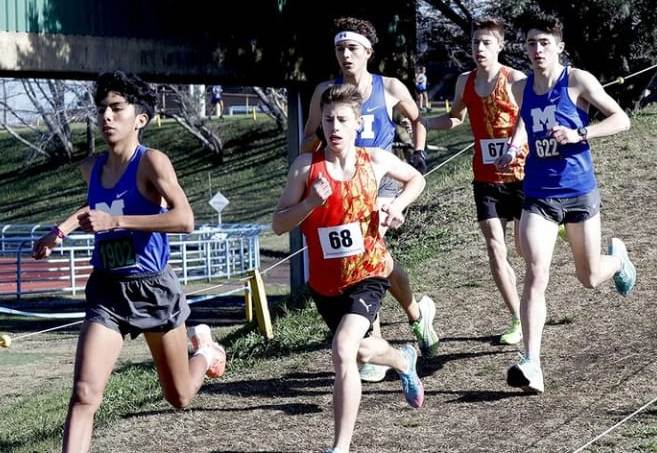
La Federación Marplatense de Atletismo confirmó el inicio del circuito con tres fechas programadas entre mayo y una propuesta que incluirá pruebas por categorías, distancias adaptadas, relevo mixto y puntaje para el Provincial. La apertura será el 3 de mayo en La Serranita.
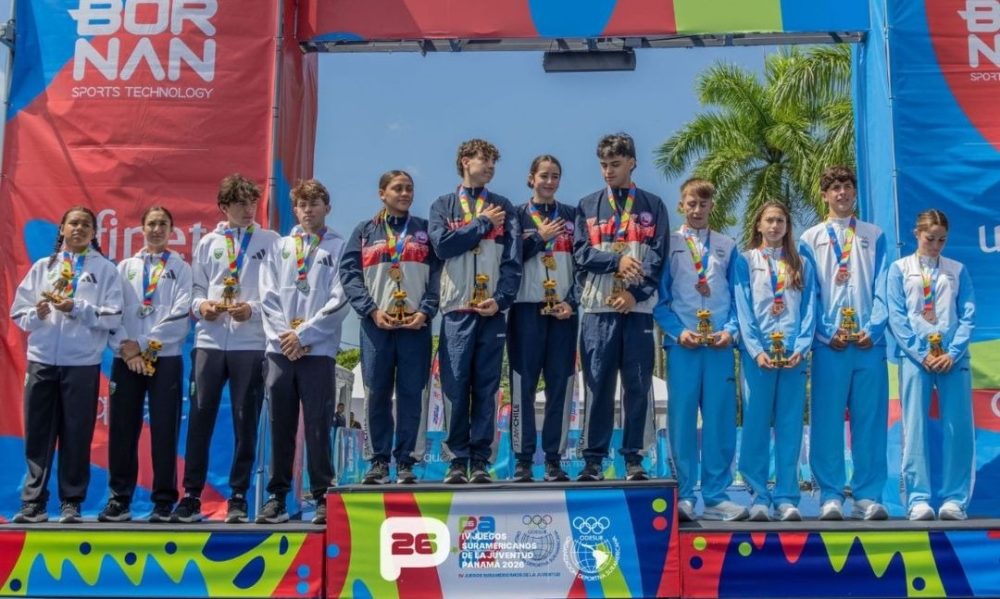
La triatleta local integró el equipo argentino que logró el tercer puesto en los relevos mixtos de los Juegos Suramericanos de la Juventud. Es la primera medalla del país en esta disciplina a nivel juvenil.
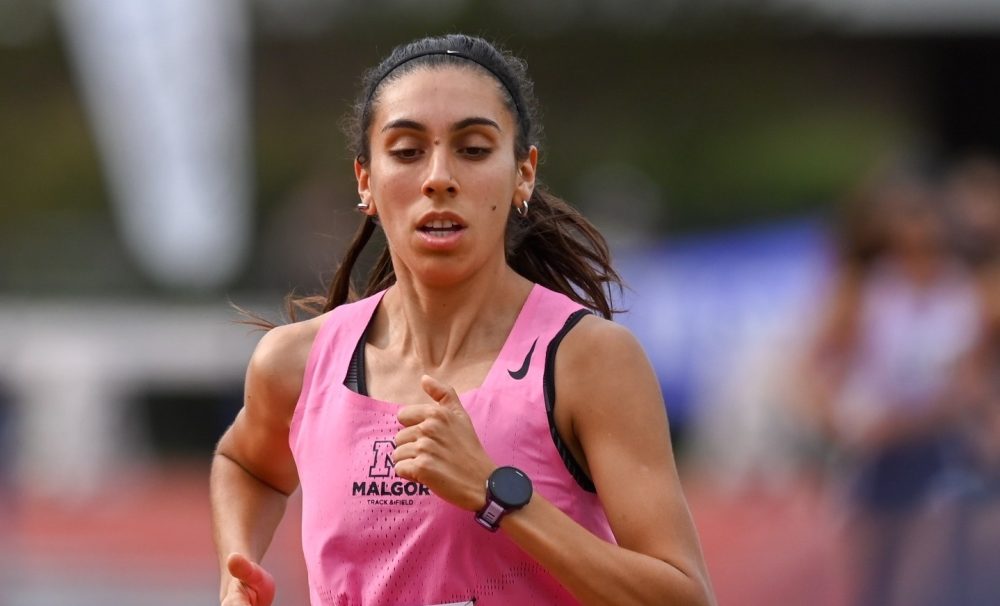
La atleta marplatense se quedó con los 1.500 y los 5.000 metros de la Copa Nacional de Clubes que contó con una buena participación en el Cenard.
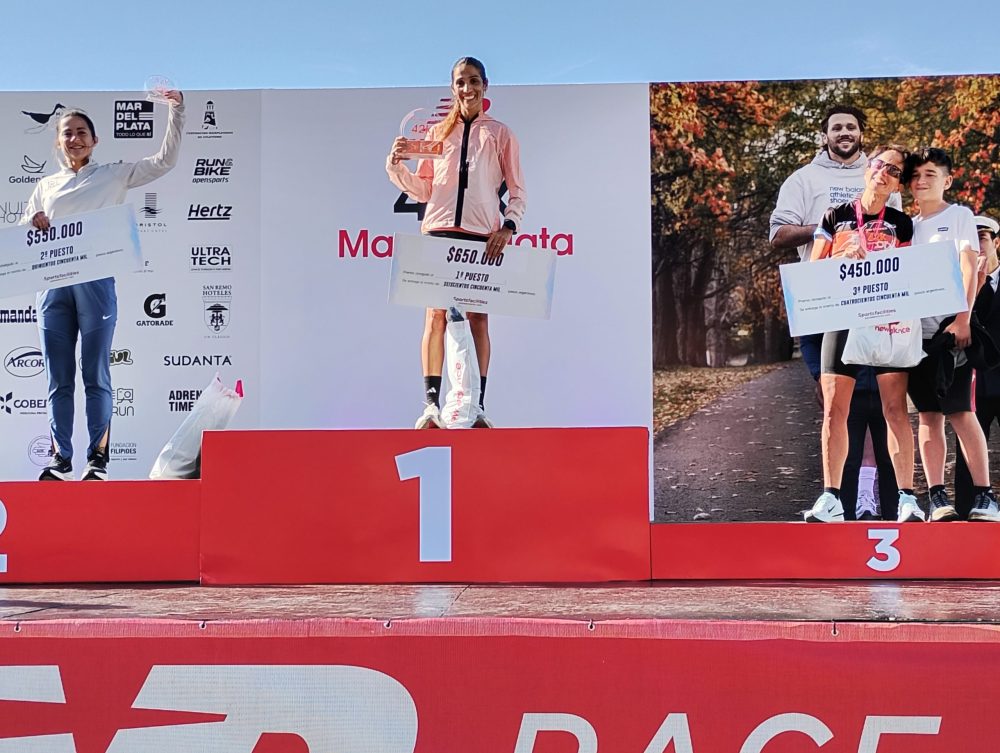
La marplatense Anahía Castaño se quedó con una victoria más en el Maratón de Mar del Plata que se desarrolló este domingo.

El tradicional reconocimiento del EMDER se realizará este martes en el Polideportivo Islas Malvinas, premiando a los atletas más destacados del 2025.
En el Estadio Atlético «Justo Román» de Mar del Plata, la atleta de nuestra ciudad volvió a bajar la plusmarca nacional en la Milla en el marco del Torneo «Héroes de Malvinas».